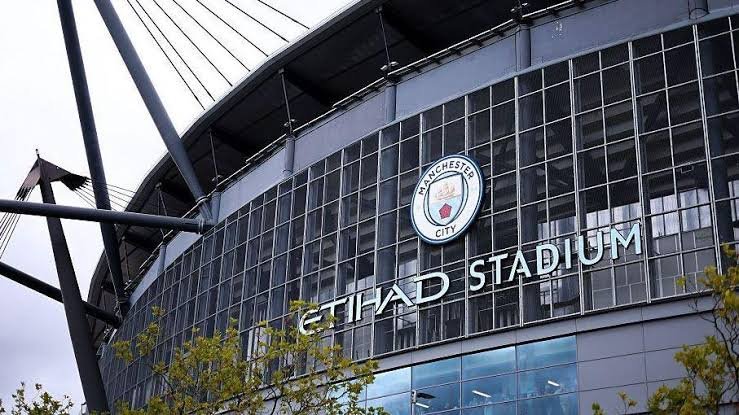
Manchester City continue to await judgment on 115 charges brought by the Premier League in February 2023, but the club joins a long line of European giants who have collided with football’s financial policing systems over the past two decades.
The Premier League charged City with breaching financial regulations between 2009 and 2018. The list breaks down into 54 counts of failing to provide accurate financial information, 14 counts of failing to disclose accurate payments to players and managers, 5 counts of breaching UEFA’s Financial Fair Play rules, 7 counts of violating the league’s Profit and Sustainability Rules, and 35 counts of failing to cooperate with investigators. City deny every charge and insist they will appeal any adverse ruling.
Elsewhere in Europe, clubs have already tasted the consequences of similar battles. Juventus offers perhaps the closest parallel. Italian football authorities docked the Turin giants points twice in recent seasons after finding the club had manipulated transfer valuations and capital gains to disguise its true financial position.
The scandal forced out the club’s entire board and triggered a wave of resignations at boardroom level.
Barcelona faced their own reckoning through the “Negreira case,” in which Spanish prosecutors alleged the club made payments over several years to a former vice-president of the referees’ committee.
The case dragged through Spanish courts and drew scrutiny from UEFA, though Barcelona has consistently denied any wrongdoing tied to match-fixing.
Paris Saint-Germain, too, has sparred with UEFA’s financial oversight arm in the past, agreeing to settlements that capped squad spending and imposed financial penalties after auditors flagged inflated sponsorship deals used to mask overspending on wages and transfers.
Even within England, City are not alone in facing sanctions tied to profitability rules. Everton absorbed two separate points deductions in a single season after breaching the Premier League’s PSR framework, a punishment that dragged the Merseyside club toward the relegation zone before an appeal softened the blow.
Nottingham Forest suffered a similar fate, losing points after breaching spending limits following their promotion to the top flight.
What sets City’s case apart is scale. No club has faced anywhere near 115 charges, and the potential sanctions dwarf anything previously imposed in English football, with penalties reportedly ranging from heavy fines to points deductions or even expulsion from the league, should the independent panel rule against them.
The case has now stretched well beyond initial expectations. Hearings concluded in December 2024, yet more than a year later a verdict still has not landed, feeding growing frustration among rival clubs who argue the delay undermines competitive fairness.
Premier League chief executive Richard Masters has repeatedly declined to comment on timing, citing confidentiality rules that bind the process.
City’s saga therefore sits at the extreme end of a pattern playing out across Europe’s biggest leagues, where financial watchdogs increasingly clash with clubs bankrolled by wealthy owners or accused of bending accounting rules to stay competitive.
Whatever the outcome, the case is likely to shape how football’s governing bodies police spending for years to come.